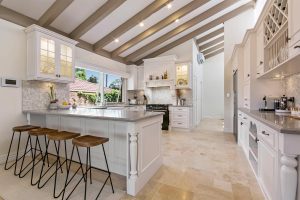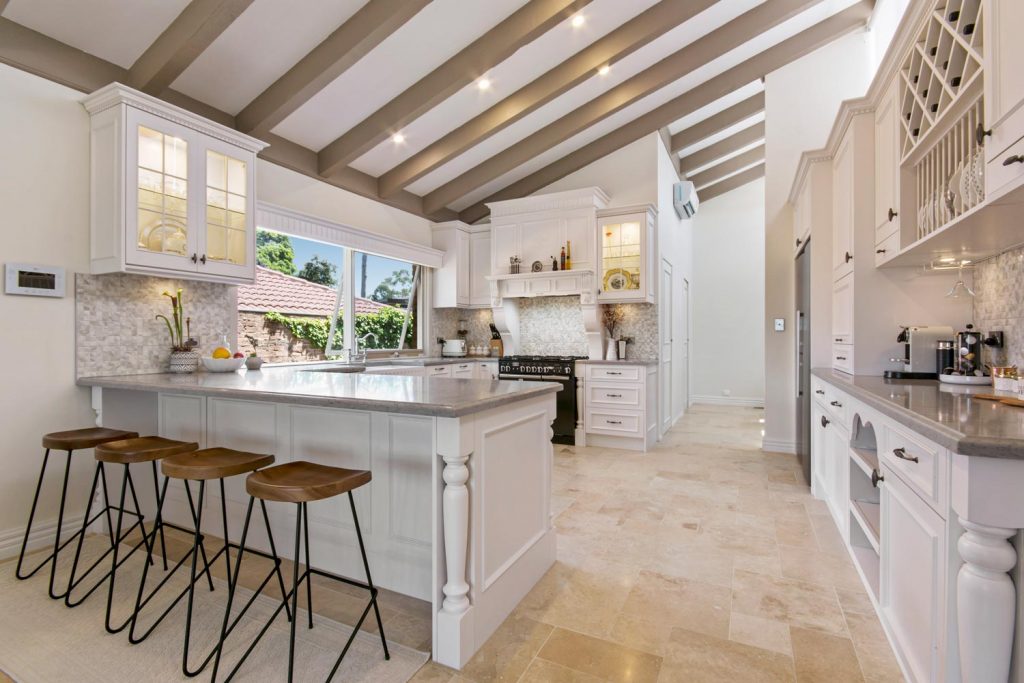
French Provincial kitchen design in Melbourne occupies a very specific and devoted corner of the renovation market — and for good reason. Among all the kitchen styles available to Melbourne homeowners, French Provincial is perhaps the one most capable of transforming a kitchen into something that genuinely feels like the heart of a home. Not just a functional workspace. Not merely a beautiful room. But a space with genuine warmth, history, and character.
It’s a style that rewards patience and investment. The ornate cabinetry profiles, the carved mouldings, the warm stone surfaces, and the carefully aged hardware all contribute to a kitchen that looks as though it has earned its place in the home — as though it belongs there entirely.
If you’ve been drawn to French Provincial design but aren’t quite sure how it translates to your Melbourne home, your specific suburb, or your budget — this guide is for you. We’ll cover everything: what defines the style, how it differs from Hamptons and other popular styles, what it actually costs in Melbourne in 2026, and the design decisions that make the difference between a kitchen that looks extraordinary and one that looks like it’s trying too hard.
Let’s get into it.
18%
of Melbourne kitchen renovation enquiries request French Provincial style
$70K–$140K+
typical investment range for a full French Provincial kitchen in Melbourne’s inner suburbs
12–18 wks
average project timeline from design sign-off to completion
#2
most requested premium kitchen style in Melbourne’s eastern and inner south-east suburbs
What Is a French Provincial Kitchen?
The French Provincial style draws its inspiration from the rural farmhouses, manor homes, and chateaux of provincial France — particularly the sun-drenched regions of Provence, Burgundy, and Normandy. These were not the grand, symmetrical palaces of Versailles. They were working homes of the French countryside: substantial, deeply beautiful, and built to last for generations.
What made them distinctive was a combination of fine craftsmanship and natural materiality. Thick stone walls. Heavy timber beams. Carved wooden furniture. Surfaces worn smooth by decades of daily life. The French Provincial kitchen aesthetic captures this spirit — ornate in its detailing, warm in its palette, and genuinely liveable in a way that purely formal design rarely achieves.
In the Australian context — and in Melbourne specifically — French Provincial kitchen design has been thoughtfully adapted. We retain the ornate cabinetry, the warm stone surfaces, and the aged hardware that define the style, but we apply them within the proportions and architectural context of Melbourne’s homes. The result is a kitchen that feels simultaneously authentic and perfectly at home on Australian soil.
The 6 Defining Characteristics of French Provincial Kitchen Design
Ornate
Curved profiles, carved mouldings & decorative detailing throughout
Natural
Stone, timber & aged materials that feel earned rather than applied
Warm
Cream, aged white, sage & soft earth tones — never cold or clinical
Crafted
Quality joinery & hardware that rewards close inspection
Timeless
A style that deepens with age rather than dating with trends
Liveable
Designed for real life — generous, welcoming & deeply functional
Traditional French Provincial vs. Modern French Provincial
Like any enduring design style, French Provincial has evolved considerably in its Australian interpretation. Understanding the distinction between the traditional and modern expression of the style will help you identify which direction is right for your home — and your lifestyle.
Traditional French Provincial
- Deeply ornate curved and arched door profiles
- Multiple layers of decorative moulding — cornice, pilasters, corbels
- Warm cream, antique white, or aged linen cabinet colours
- Natural marble or travertine benchtops with warm veining
- Aged brass or antique bronze hardware with ornate detail
- Ornate range hood with carved detail, often timber or stone
- Exposed timber elements — open shelving, timber corbels
- Traditional farmhouse sink (butler’s sink) as centrepiece
- Terracotta, limestone, or encaustic tile flooring
Modern French Provincial
- Retained curved profiles but with cleaner, less elaborate detailing
- Simplified moulding — cornice retained, pilasters reduced
- Slightly cooler palette — soft grey, pale sage, warm white
- Engineered stone benchtops in warm white or subtle veining
- Brushed gold hardware — still warm but cleaner in profile
- Streamlined range hood — still substantial but less carved
- Integrated appliances preferred over exposed
- Undermount sinks in stone or composite materials
- Engineered timber or large-format stone tile flooring
The 8 Defining Design Elements of a French Provincial Kitchen
A French Provincial kitchen is not assembled from a single standout feature — it’s built from the careful combination of eight distinct elements, each of which must be thoughtfully considered against the others. Here’s what defines the style and what to look for in each.
Colour Palettes That Define the French Provincial Kitchen
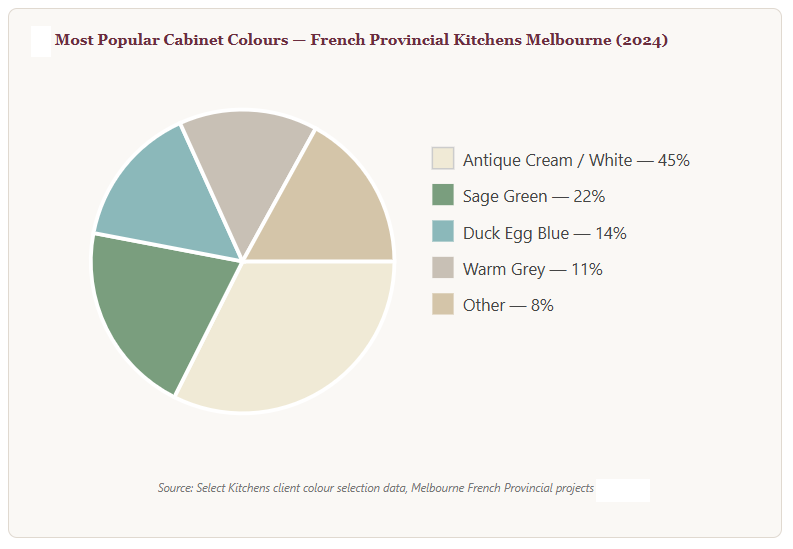
Colour selection in a French Provincial kitchen is less about finding the right single cabinet colour and more about building a complete, warm palette system — one where every element from cabinetry to benchtop to hardware reads as part of the same story. Here are the palettes that define the style and work beautifully in Melbourne’s homes.
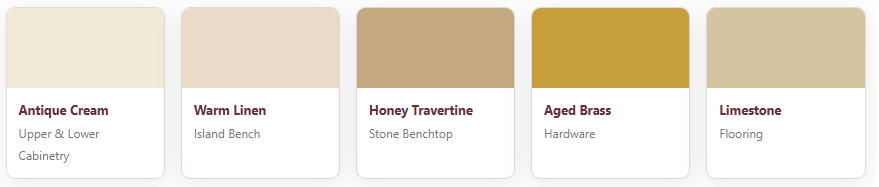
The Classic French Provincial Palette
Warm, aged, and deeply characterful — the traditional palette that suits Melbourne’s grandest period homes:
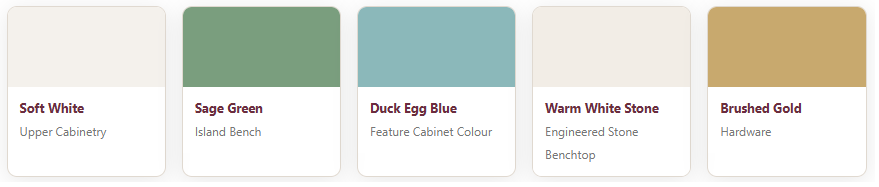
The Modern French Provincial Palette
Slightly cooler and more restrained — beautiful in both period homes and contemporary builds:
Materials & Finishes: The Choices That Define Quality
French Provincial kitchen design is fundamentally a style about material quality. More than almost any other kitchen style, the French Provincial look depends on materials that have genuine warmth, texture, and depth. Here’s a practical guide to the most important material decisions you’ll face.
Benchtop Materials
Table 1: Benchtop Material Options for French Provincial Kitchens — Melbourne (2026)
| Material | Authenticity Fit | Durability | Maintenance Level | Cost Range (per lm) | Recommendation |
|---|---|---|---|---|---|
| Natural Marble (warm toned) | Iconic | Moderate — etches & stains | High — regular sealing | $1,400–$3,000+ | Best for low-use kitchens |
| Travertine | Most authentic | Moderate — porous | High | $900–$2,000 | Statement feature surfaces |
| Engineered Stone (warm white) | Excellent match | High — very stain resistant | Low — wipe clean | $600–$1,400 | Best for family kitchens |
| Granite (warm toned) | Strong match | Very High | Low-Medium | $700–$1,600 | Excellent practical option |
| Thick-cut Timber (oak, hardwood) | Excellent secondary surface | Moderate — needs oiling | Medium | $500–$1,100 | Ideal for island or prep area |
| Laminate (stone-look) | Poor match for authentic look | Moderate | Low | $200–$500 | Not recommended for FP style |
Cabinetry Finishes
2pac Polyurethane — The Gold Standard
For French Provincial cabinetry, 2pac polyurethane applied to MDF is unquestionably the preferred finish. It creates a smooth, hard surface that takes paint colour beautifully and allows the ornate door routing to read with real depth and shadow. It’s durable, cleanable, and available in any colour — including the warm antique tones that are essential to the style.
Vinyl Wrap — A Viable Mid-Range Option
Vinyl wrap is suitable for simpler French Provincial profiles but struggles with the deeper routing and more elaborate door details of the traditional style. For Modern French Provincial with cleaner profiles, it’s a reasonable consideration at a reduced price point.
Hand-Painted Timber — Authentic but Premium
For those seeking the ultimate authenticity, solid timber cabinetry with hand-applied paint creates a genuinely extraordinary result. The slight irregularities, brush marks, and aged quality that emerge over time are precisely what the French Provincial style calls for. It is, however, the most expensive option — and requires experienced craftspeople to execute well.
Timber Veneer for Accents
Oak or walnut veneer is ideal for island bench bases, open shelving, and decorative corbel details. It adds genuine warmth and materiality that painted cabinetry alone cannot achieve.
Splashback Options
| Subway tile (brick bond, cream or off-white with charcoal grout): | The most authentic and popular choice — timeless, practical, and unmistakably French Provincial in character. |
| Handmade ceramic tile (irregular surface, warm glaze): | Elevates the splashback to a genuine design feature. The slight variations in colour and surface that characterise handmade tiles are deeply suited to the style. |
| Stone slab splashback (marble or travertine, book-matched): | A more contemporary interpretation — works beautifully in Modern French Provincial where a sleeker finish is desired. |
| Decorative Moroccan or encaustic tile (feature behind range): | Used as a focal point behind the range hood, a feature tile panel adds extraordinary character to a French Provincial kitchen. |
| Beadboard panelling (painted, to match cabinetry): | Traditional, authentic, and very effective — particularly in a country-leaning French Provincial interpretation. |
French Provincial Kitchens in Melbourne Homes: The Right Match
French Provincial kitchen design adapts differently to different home types — and understanding which version of the style best suits your Melbourne home will save you considerable time and help you make better design decisions from the outset. Here’s how we approach the style across Melbourne’s most common residential property types.
Grand Victorian & Edwardian Homes (Toorak, Kew, Canterbury, Malvern)
Melbourne’s grandest period homes — the large Victorian-era residences of Toorak, the substantial Edwardian houses of Kew and Canterbury, the gracious Edwardian homes of Malvern — are the natural home of traditional French Provincial kitchen design. The high ceilings, ornate cornicing, wide corridors, and generous proportions of these homes create the perfect canvas for the full expression of the style: elaborate mouldings, a magnificent range hood, marble benchtops, and all the decorative detail that the French Provincial vocabulary allows.
Heritage overlay considerations apply to many of these properties. For external changes, approval from the relevant council (Boroondara, Stonnington) is required. Internal kitchen renovations, however, generally proceed without heritage restrictions. We always advise clients to confirm their specific overlay requirements early in the design process. More information is available from Heritage Victoria’s permit guidelines.
Federation Bungalows (Camberwell, Hawthorn, Surrey Hills, Deepdene)
Melbourne’s Federation-era bungalows — typically 1900–1920s homes with red brick exteriors, leadlight windows, and generous verandas — are excellent candidates for Modern French Provincial kitchen design. The character of these homes responds beautifully to the warmth and craftsmanship of the French Provincial palette, without necessarily demanding the full ornate treatment of the traditional style.
Californian Bungalows (Essendon, Moonee Ponds, Ascot Vale, Coburg)
The Californian Bungalow’s inherent warmth — its timber floors, open fireplaces, and relaxed proportions — makes it a natural partner for a French Provincial kitchen interpretation. A sage green or duck egg blue island against antique cream perimeter cabinetry in a Californian Bungalow kitchen is genuinely a thing of beauty.
Bayside Homes (Brighton, Sandringham, Black Rock, Patterson Lakes)
Many of Melbourne’s bayside suburbs feature a mix of period homes, 1980s–90s brick residences, and newer contemporary builds. Modern French Provincial is the appropriate style choice here — it respects the coastal-adjacent setting with its lighter palette while retaining the ornate character that distinguishes the style from simpler alternatives.
French Provincial Kitchen Design Across Melbourne’s Suburbs
Toorak
Grand Victorian homes · Full traditional French Provincial · Marble benchtops
Malvern
Edwardian & Federation · Classic FP with butler’s pantry
Camberwell
Federation bungalows · Modern French Provincial rear extensions
Brighton
Bayside homes · Modern French Provincial · Sage & duck egg palette
Kew
Edwardian & inter-war · Traditional FP with decorative mouldings
Essendon
Californian Bungalows · Warm Modern FP · Duck egg island
French Provincial vs. Hamptons Kitchen: Understanding the Difference
This is one of the questions we’re asked most often at our Melbourne showroom — and it’s a genuinely important one to get right, because while the two styles share some common ground, they’re fundamentally different in character and execution. Choosing the wrong one for your home can result in a kitchen that feels slightly off — as though it’s telling the wrong story for the space it’s in.
Table 2: French Provincial vs. Hamptons Kitchen — Key Design Differences
| Design Element | French Provincial | Hamptons |
|---|---|---|
| Cultural Origin | Rural French countryside — Provence, Burgundy, Normandy | American coastal estates — Long Island, New York |
| Cabinet Profile | Curved, arched, ornate — raised panel with routing detail | Clean shaker — recessed centre panel, simple frame |
| Moulding Detail | Substantial — stacked cornice, pilasters, corbels, decorative feet | Restrained — single cornice, minimal applied detail |
| Overall Character | Ornate, romantic, layered, aged — formal in feeling | Relaxed, coastal, clean — casual elegance |
| Colour Palette | Warm, aged — cream, antique white, sage, duck egg blue | Coastal neutrals — white, off-white, soft grey, navy |
| Benchtop Preference | Warm marble, travertine, honey-toned stone | Cool Carrara or crisp white engineered stone |
| Hardware Style | Aged brass, antique bronze, ornate profile | Brushed nickel, cup pulls, clean profile |
| Range Hood | Architectural statement — carved, substantial, decorated | Prominent but clean — integrated or box form |
| Typical Cost Range (Melbourne) | $70,000 – $140,000+ (ornate joinery commands a premium) | $45,000 – $120,000+ (simpler profiles are more economical) |
What Does a French Provincial Kitchen Cost in Melbourne? (2026 Guide)
French Provincial is one of the more involved kitchen styles to execute well — and it’s worth understanding why before you receive your first quote. The ornate, curved door profiles require more skilled routing work than a simple shaker door. The moulding details — cornice, pilasters, corbels, decorative feet — each require careful design, manufacturing, and installation. The result is genuinely extraordinary, but it reflects the craftsmanship involved.
$55K–$75K
Entry: Smaller kitchen, simplified profiles, vinyl wrap cabinetry, engineered stone
$75K–$100K
Mid-range: 2pac cabinetry, engineered stone, quality hardware, integrated appliances
$100K–$140K
Premium: Full moulding detail, marble benchtops, butler’s pantry, butler’s sink
$140K+
Bespoke: Hand-painted timber, natural stone throughout, structural changes, grand scale
Why French Provincial Costs More Than Other Styles
It’s a fair question and one we answer honestly with every prospective client. The cost premium for French Provincial over a simpler kitchen style comes from three specific areas:
| Routing and profile complexity: | Each French Provincial cabinet door requires multiple passes of a CNC router to achieve the curved, arched, and detailed profiles. A shaker door requires one. This is manufacturing time — and it adds up across an entire kitchen’s worth of doors. |
| Moulding work: | Designing, manufacturing, and fitting cornice, pilaster, corbel, and decorative foot elements requires both skilled joinery work in the factory and careful installation on site. The moulding package alone on a full French Provincial kitchen can represent 8–12% of the total cabinet cost. |
| Finishing complexity: | The deeper profiles and more complex surfaces of French Provincial cabinetry require more coats of primer and paint to achieve a flawless 2pac finish. Each additional coat adds time and cost. |
The French Provincial Kitchen Design & Renovation Process
Understanding exactly how a French Provincial kitchen renovation unfolds — from your first conversation with our design team through to the day you cook your first meal in your new kitchen — helps you plan intelligently and removes the anxiety that comes from not knowing what to expect. Here’s our process, step by step.
Discovery Consultation — Your Home or Our Melbourne Showroom
Our first conversation is about understanding your vision, your lifestyle, and your home. We’ll look at your existing kitchen and discuss what’s working and what isn’t. We’ll explore style directions, look at inspiration images you’ve collected, and have an honest conversation about budget expectations. There’s no pressure and no obligation at this stage — just a genuine dialogue.
Concept Design & 3D Visualisation
Our designers develop a detailed 3D model of your French Provincial kitchen, including full cabinet layout, moulding profiles, range hood design, colour selections, and hardware specification. You’ll see your kitchen in realistic 3D renders — with real material textures — before a single cabinet is built. This is the stage where we refine and perfect the design through your feedback.
Material Selection & Stone Viewing
For a French Provincial kitchen, the benchtop stone selection is a genuinely important step. We take you to our stone suppliers so you can select your actual slab — because every piece of natural stone or warm-veined engineered stone reads differently, and the slab you choose will define the kitchen’s character. Hardware, tiles, and flooring are also finalised at this stage.
Detailed Quoting & Contract
You receive a fully itemised, fixed-price quote — every element specified, nothing left vague. We walk through it in detail. Once you’re satisfied, contracts are signed and your project enters the production queue. A commencement date is confirmed at this stage.
Cabinet Manufacturing
Your French Provincial cabinetry enters production at our Melbourne facility. The CNC routing of door profiles, the assembly of moulding components, the application of multiple coats of 2pac primer and paint — this is where the quality is built. French Provincial cabinetry takes longer to manufacture than simpler styles, and that time investment is visible in the finished result.
Site Preparation, Demolition & Trades
Your existing kitchen is carefully demolished. Plumbing, electrical, and any structural work (wall removal, skylight installation, extension framing) is completed before cabinetry installation begins. For French Provincial kitchens with a butler’s sink, plumbing modifications are typically required at this stage.
Installation & Finishing
Cabinetry installation, benchtop templating and fitting, range hood installation, splashback tiling, appliance connection, hardware fitting — and the careful installation of all moulding elements, which requires patient, skilled hands to achieve the seamless joins and perfect alignments that define quality French Provincial joinery. This is the exciting stage. Your kitchen takes shape.
Final Inspection & Handover
We walk through every detail with you — every door, drawer, appliance, and moulding join. Any minor adjustments are attended to on the spot. You receive all compliance certificates, appliance manuals, and care instructions. Your French Provincial kitchen is complete.
6 French Provincial Kitchen Mistakes Melbourne Homeowners Make
French Provincial is a style that rewards commitment and depth of understanding. When elements are missing, mismatched, or executed without sufficient craft, the result can feel like a pastiche rather than the real thing. Here are the six mistakes we see most often — and the design decisions that prevent them.
What Gets It Right
When every element of a French Provincial kitchen works together — the ornate door profiles, the layered mouldings, the warm stone benchtop, the carved range hood, the aged brass hardware, and the warm flooring — the result is extraordinary in a way that’s difficult to articulate but immediately felt.
It’s not just a beautiful kitchen. It feels like the heart of the home. Like it has always been there. Like it belongs.
That’s what French Provincial done properly delivers — and it’s why Melbourne homeowners who invest in it rarely have a moment of doubt about the decision.
Frequently Asked Questions — French Provincial Kitchens in Melbourne
Answers to the questions we’re asked most often by Melbourne homeowners exploring French Provincial kitchen design.
In Summary: Is French Provincial Right for Your Melbourne Home?
French Provincial is not a style you choose because it’s fashionable — you choose it because it’s extraordinary. Because it creates a kitchen that feels genuinely special: warm, deeply characterful, and built to the kind of standard that improves with age rather than dating with trends.
It asks more of the homeowner — more commitment to the design language, more patience with the manufacturing timeline, and a somewhat larger investment than simpler kitchen styles. But when it’s executed well, with proper mouldings, the right stone, authentic hardware, and the statement range hood it deserves — it delivers something that no other kitchen style quite matches.
At Select Kitchens, French Provincial design is something we genuinely love working on. Every ornate door profile, every moulding detail, every warm stone selection is a decision we approach with real care — because we know what the finished result is capable of.
If you’re seriously considering a French Provincial kitchen renovation in Melbourne, the best next step is a conversation. Come into our showroom, see the style at full scale, and let’s talk about what’s possible for your home and your budget. Reckon you’ll be glad you did.