Select Kitchens Melbourne
25 Years Experience
Planning a bathroom renovation in Essendon? Whether you’re refreshing a tired ensuite in a Federation-era home or undertaking a full wet-area transformation in a newer suburban build, the questions tend to be the same: Where do I start? What will it actually look like? Who can I trust?
At Select Kitchens, we’ve been answering those questions with completed renovations — not just promises — since 1996. Our team understands Melbourne homes intimately: the quirks of older plumbing, the heritage overlays in inner-suburb councils, the tight ensuites in mid-century brick veneers, and the opportunity that a well-executed renovation creates in every one of them.
This guide walks you through everything you genuinely need to know before starting your bathroom renovation — from planning and compliance to cabinetry selection, layout decisions, and the design trends reshaping Melbourne bathrooms right now.
Explore Bathroom Renovations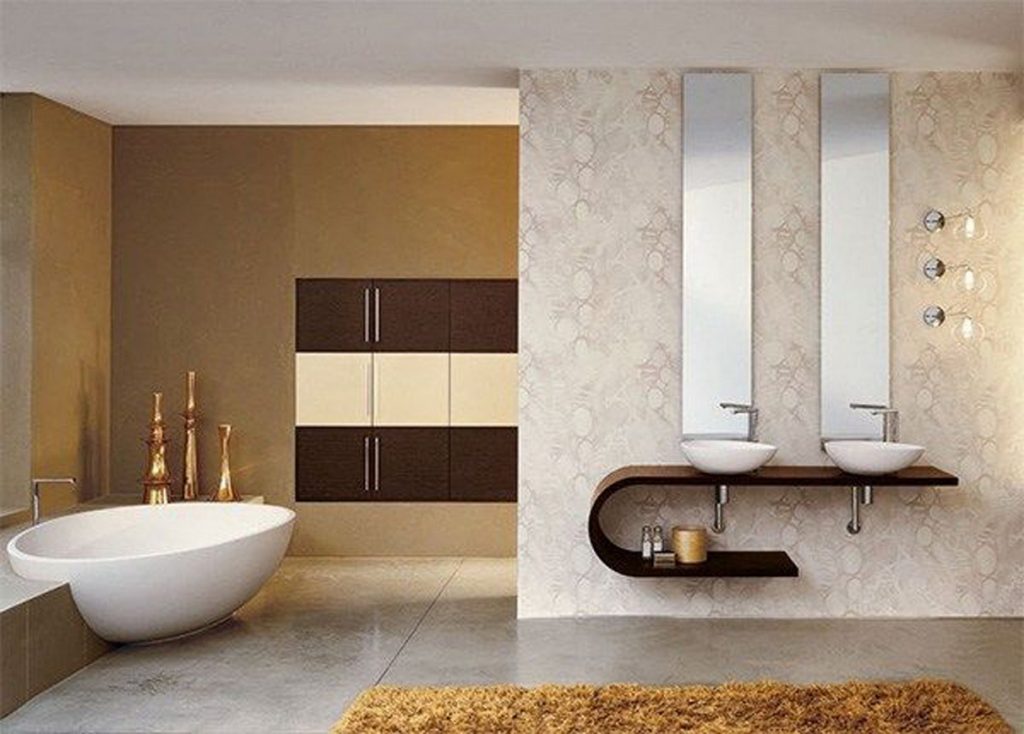
How to Plan a Bathroom Renovation in Melbourne — Without the Costly Surprises
The most common mistake Melbourne homeowners make when planning a bathroom renovation isn’t choosing the wrong tiles — it’s starting the conversation at the wrong point. Many people begin by scrolling Pinterest or visiting a tile showroom before they’ve even mapped out their existing plumbing layout, assessed their waterproofing condition, or determined whether structural changes are viable. This sequence almost always leads to budget overruns and timeline stress.
A structured planning approach protects your investment and eliminates the decisions-on-the-fly that inflate renovation costs. Here’s how to approach it properly:
- Audit your existing layout first. Before anything else, understand what’s behind your walls. Older Essendon homes — particularly those built in the 1950s through 1970s — may have copper, galvanised steel, or even clay drainage that affects what plumbing changes are feasible without significant additional cost.
- Establish your non-negotiables vs. nice-to-haves. Decide what must change (failing waterproofing, outdated compliance) versus what you’d like to change (aesthetic updates, additional storage). This distinction protects your budget when decisions get difficult mid-project.
- Waterproofing comes before aesthetics — always. Under AS 3740-2021, bathroom waterproofing in Australia must meet specific material and application standards. Skipping or cutting corners here is both illegal and financially devastating if remediation is needed later.
- Confirm your council requirements. If your Essendon home has a heritage overlay — common in older residential streets — the Moonee Valley City Council may have requirements that affect external changes or structural work. Internal bathroom renovations generally don’t trigger heritage approvals, but it’s worth verifying for your specific property.
- Understand your ventilation obligations. The Victorian Building Authority requires bathrooms to have adequate ventilation — either natural (window opening) or mechanical (exhaust fan). Older Melbourne homes often have neither; resolving this is part of a compliant renovation.
- Sequence your trades correctly. Demolition → rough-in plumbing → waterproofing → tiling → cabinetry installation → fixtures and tapware. Reversing this order (or running trades concurrently without coordination) is the primary cause of rework costs.
⚡ Expert Insight: The Hidden Cost Nobody Mentions
In Melbourne’s older inner-northern suburbs — including Essendon, Coburg, and Brunswick — it’s common to discover asbestos-containing materials during bathroom demolition, particularly in wall sheeting, floor tiles, and pipe lagging in homes built before 1990. Responsible removal adds time and cost to the project. A reputable renovation specialist will assess this risk before quoting and factor it into the project plan from day one.
How Much Does a Bathroom Renovation in Essendon Cost?
This is consistently the first question homeowners ask — and it’s also the hardest one to answer without context. The honest answer is that bathroom renovation investment in Melbourne varies enormously depending on the scope, size, materials selected, structural complexity, and whether waterproofing or plumbing relocation is involved.
Rather than working from a number, the most useful approach is to understand which factors drive cost — so you can make informed decisions about where to invest and where to economise without compromising compliance or longevity.
Can I renovate a bathroom for $10,000?
A $10,000 budget can achieve a meaningful cosmetic renovation for a small bathroom — new tapware, a vanity replacement, fresh tiling over existing surfaces in good condition, a new toilet suite, and updated lighting and accessories. However, if your project requires full demolition, new waterproofing membranes, structural changes, or custom cabinetry, this budget will be insufficient to meet Victorian building standards and deliver lasting quality. A specialist can assess your specific space and help you prioritise effectively.
Can I renovate a bathroom for $5,000?
At $5,000, you’re generally limited to surface-level updates: replacing tapware, adding new showerheads and accessories, refreshing a vanity mirror and lighting, and painting non-wet surfaces. While these changes can improve the look of a bathroom meaningfully, they don’t address waterproofing compliance, failing grouting, or structural deficiencies. If your bathroom has compliance concerns, investing below the threshold of compliant renovation work can create liability and make the property harder to sell or insure.
What is the average cost to renovate a bathroom in Australia?
According to the Houzz Australia Renovation Report, bathroom renovations are one of the most popular home improvement projects, with investment levels varying significantly between states and between cosmetic and full structural renovations. The Domain Property Advice platform notes that bathroom renovations in Melbourne’s inner suburbs consistently yield strong resale value returns when executed to a high standard — making them one of the more strategic renovation investments a homeowner can make.
What is the most expensive part of a bathroom renovation?
Labour — specifically licensed plumbing and compliant waterproofing application — typically represents the largest cost component in any full bathroom renovation. After labour, the major cost contributors are:
- Custom cabinetry and vanities — particularly wall-hung, frameless, or stone-topped designs
- Large-format or imported tiles — material cost plus the increased complexity of installation
- Stone benchtops — engineered stone and natural stone carry premium material and cutting costs
- Freestanding baths — both the fitting itself and the plumbing required to position it away from walls
- Structural changes — removing walls, relocating plumbing stacks, or installing underfloor heating
How much should you spend on a bathroom remodel?
The most widely used rule of thumb in the Australian renovation industry — supported by realestate.com.au’s renovation guidance — is to invest no more than 5–10% of your property’s current value on a single bathroom renovation for resale purposes. For a primary bathroom renovation where liveability and long-term enjoyment are the primary motivators, a higher investment is often justified, particularly when it involves improved storage, better ventilation, and accessibility features that future-proof the home.
What to Avoid When Renovating a Bathroom — Lessons From Melbourne Renovation Projects
Whether you’re planning a bathroom renovation in Camberwell, tackling a full wet-area overhaul in Oakleigh, or refreshing a bathroom in an older Essendon bungalow, the most costly mistakes are almost always avoidable — if you know what to look for before work begins.
Skipping Professional Waterproofing
This is the single most expensive mistake in bathroom renovation. Non-compliant or DIY waterproofing that fails can cause structural damage, mould, and remediation costs that dwarf the original renovation budget. Under Australia’s National Construction Code, waterproofing in wet areas must comply with AS 3740-2021. Only a registered waterproofer should apply membranes.
Choosing Fixtures Before Finalising Layout
Selecting a freestanding bath, a specific vanity, or large-format floor tiles before your layout is locked in creates costly conflicts. A wall-hung vanity that is 1,200mm wide may look perfect in a showroom but leave insufficient circulation space in a standard Melbourne terrace bathroom. Design your layout first — then select products that fit it.
Underestimating Scope in Older Homes
Melbourne homes built before the 1980s frequently have waterproofing that pre-dates current standards, galvanised steel pipes at end-of-life, and tile adhesives containing asbestos. A cosmetic renovation that doesn’t address these underlying issues is a short-term fix with a long-term liability. A reputable renovation specialist will assess condition before any work commences.
Neglecting Ventilation
Poor ventilation is the leading cause of mould in Melbourne bathrooms — particularly in older homes without cavity wall insulation. Victorian building regulations require either an openable window of sufficient area or a mechanical exhaust fan ducted to the exterior. An inline exhaust fan with a timer is the minimum recommended standard for any enclosed bathroom in Melbourne’s temperate climate.
Not Verifying Credentials
All plumbing and drainage work in Victoria must be carried out by a licensed plumber registered with the Victorian Building Authority. Electrical work must be done by a registered electrician. Always request a Certificate of Compliance (plumbing) and verify your renovation company’s registration before work commences.
Prioritising Trends Over Timelessness
The coloured grout, terrazzo, and statement tile trends that look extraordinary in 2026 Instagram content can date a bathroom rapidly. For a bathroom renovation that ages gracefully — particularly important in Melbourne’s competitive property market — ground your design in timeless material choices and use trend elements as accents rather than the foundational palette.
What’s Shaping Melbourne Bathroom Design Right Now
Melbourne’s interior design sensibility has always occupied a distinctive space — more curated and textural than Sydney’s beach-influenced lightness, more liveable and material-honest than Adelaide’s classicism. In 2026, bathroom design across Melbourne’s inner and middle-ring suburbs — from Camberwell to Mulgrave, East Melbourne to the Mornington Peninsula coastline — reflects a consistent set of priorities: warmth, natural material authenticity, and tactile richness over the cold, stark minimalism that dominated the previous decade.
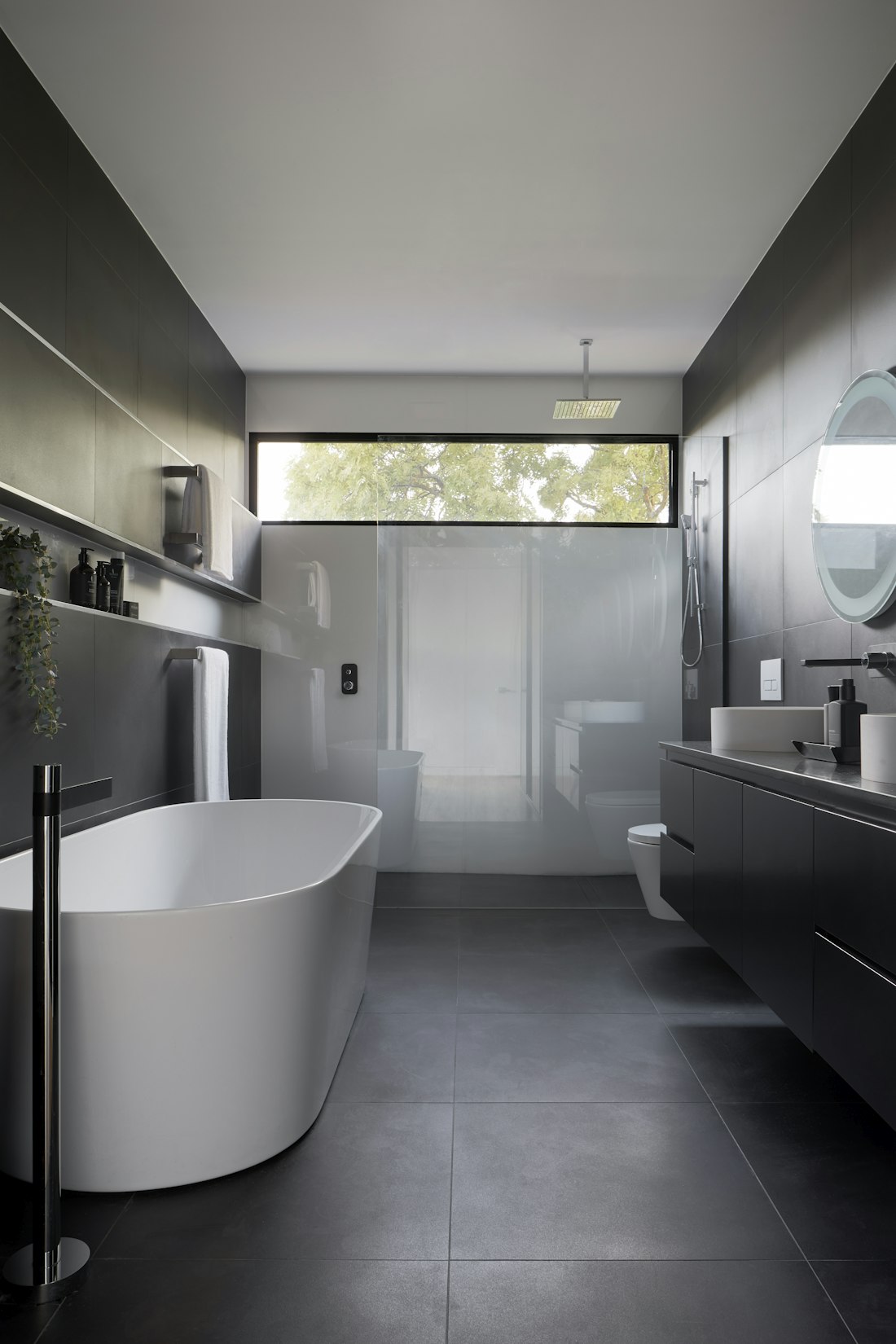
AI Generated — 2026 Melbourne bathroom design featuring warm timber cabinetry, natural stone, and matte black hardware
Warm Neutrals and Natural Stone
The pivot away from all-white bathrooms is now firmly established. Warm greige, biscuit, sage, and terracotta tones are appearing across renovations from Essendon’s period homes to contemporary apartments in East Melbourne. Natural travertine, honed marble, and textured limestone are the material choices driving this shift — valued for their warmth and authenticity. Engineered stone benchtops in warm sand and veined cream tones are delivering similar aesthetics at better durability and price accessibility.
Hamptons Bathrooms Beyond the Peninsula
What began as a design aesthetic associated with Mornington Peninsula holiday homes — in Sorrento, Portsea, Mount Martha, and Blairgowrie — has moved firmly into metropolitan Melbourne renovations. The Hamptons aesthetic translates beautifully to bathrooms: shaker-profile cabinetry in soft white or navy, subway tile with coloured grout, brushed nickel or chrome tapware, and freestanding baths positioned as a centrepiece. It’s a design language that feels elevated without being inaccessible.
Matte Black Hardware — Matured
Matte black tapware had its moment as a trend statement. In 2026, it has matured into a mainstream finish choice — thoughtfully integrated rather than applied as a contrast accent across every surface. The current approach pairs matte black hardware with warm stone, timber-grain cabinetry, and warm-toned tile to create bathrooms that feel grounded and residential rather than commercial. Our taps, handles, and hardware range covers the full spectrum of finishes for this purpose.
Integrated Storage and Wall-Hung Cabinetry
Melbourne’s inner-suburb bathrooms tend to be compact — a reality of the terrace, bungalow, and mid-century floorplate. In response, the demand for intelligent, integrated storage has intensified. Recessed niches, floating vanities with concealed storage, mirrored shaving cabinets with built-in LED lighting, and full-height linen towers are now standard inclusions in full bathroom renovations rather than optional extras. Our team of custom cabinet makers designs storage solutions that maximise every millimetre of your bathroom footprint.
Large-Format Tile and Grout Minimalism
Large-format tiles — 600×1200mm, 800×800mm, and even slab-format porcelain — continue to dominate in full bathroom renovations. Fewer grout lines mean easier maintenance, a more seamless visual field, and a more spa-like quality of finish. In smaller bathrooms, this effect is even more pronounced: large tiles optically expand the space in a way that small mosaic grids cannot.
Underfloor Heating as a Standard Inclusion
Melbourne winters make underfloor heating an increasingly popular inclusion in full bathroom renovations. Electric hydronic-style mats installed beneath tiled floors are now cost-competitive enough that many homeowners choose to include them as standard rather than a luxury add-on — particularly given the relatively modest additional cost when the floor is already being retiled during a renovation.
Small Bathroom Renovation Ideas for Essendon and Melbourne’s Compact Homes
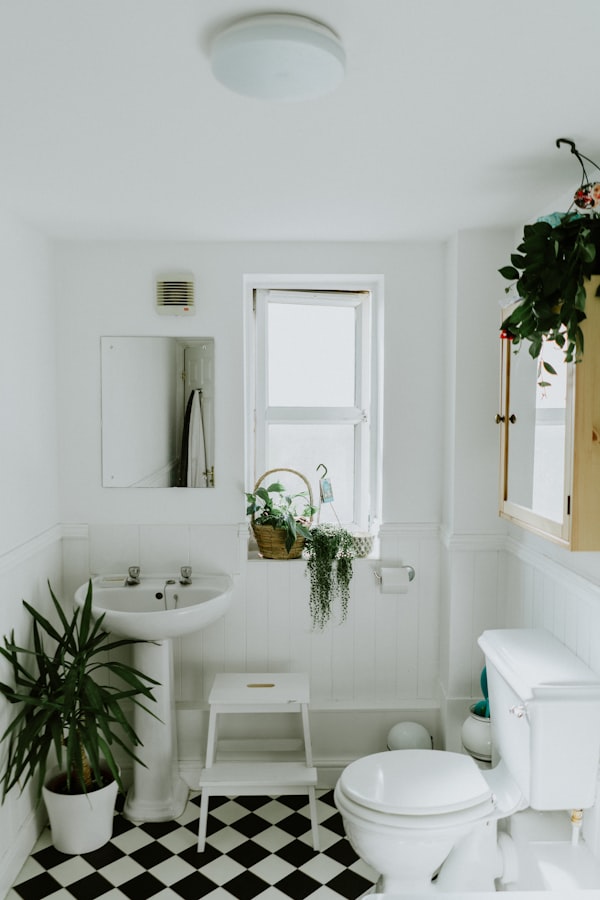
Many of Essendon’s most beloved homes — the interwar bungalows, the Edwardian terraces on tree-lined streets, the brick veneers of the postwar era — were built with bathrooms that feel generous by 1950s standards but cramped by contemporary expectations. A small bathroom renovation doesn’t mean accepting compromise; it means designing with greater precision and intelligence.
These are the design principles that consistently deliver the most dramatic results in compact Melbourne bathrooms:
- Go wall-hung. A floating vanity creates visual floor space that makes a small bathroom feel immediately larger. Even a 50mm reveal between the vanity base and the floor transforms the spatial experience.
- Frameless shower screens. A semi-frameless or fully frameless shower screen eliminates the visual interruption of heavy aluminium framing, keeping sightlines open across the entire width of the bathroom.
- Large tile, vertically applied. Running a 300×600mm tile vertically on the walls of a small shower recess draws the eye upward and exaggerates ceiling height. This single decision can transform the perceived scale of a compact bathroom.
- Recessed niches in the shower. Rather than a protruding shelf that reduces shower volume, a tiled recessed niche flush with the wall provides storage without spatial compromise. Two niches at different heights serve different purposes — products at eye level, cleaning items below.
- Mirrored cabinets over the vanity. A mirrored shaving cabinet with internal shelving delivers both storage and the optical depth of reflection — simultaneously solving two problems that plague small bathrooms.
- Consistent tile across floor and shower. Using the same tile on both the bathroom floor and shower floor (with appropriate grading) removes the visual boundary between zones, making the room read as a continuous space rather than two separate areas.
- Concealed cistern, wall-hung toilet. A wall-hung toilet suite with a concealed in-wall cistern creates approximately 100–150mm of additional floor depth versus a close-coupled suite — which in a small bathroom is genuinely meaningful.
Choosing Your Bathroom Cabinetry and Benchtop — The Decisions That Define the Room
A bathroom vanity is not a commodity purchase. It is the most-touched, most-looked-at surface in the room — the piece that sets the tonal direction of the entire design. Getting it right means understanding the interplay between material, colour, proportion, and finish; getting it wrong means living with a visual misalignment every day.
Cabinetry Materials and Finishes
At Select Kitchens, our custom cabinet makers work across the full spectrum of bathroom cabinetry — from contemporary gloss two-pack polyurethane finishes (ideal for the sleek, reflective look popular in East Melbourne apartments) to timber-grain laminates and painted shaker profiles that complement Essendon’s Federation and Edwardian homes.
Key considerations when selecting bathroom cabinetry materials include:
- Moisture resistance. Bathroom cabinetry must use moisture-resistant (MR) board substrate as a minimum. Premium installations use fully marine-grade materials throughout. Standard MDF (not moisture-rated) will degrade in a bathroom environment regardless of how well it is sealed.
- Hinge and runner quality. Soft-close concealed hinges and full-extension drawer runners are non-negotiable in a quality bathroom renovation. These components are used daily and must withstand humidity cycles that accelerate wear.
- Profile and style alignment. A handleless, push-to-open cabinetry profile suits a contemporary or Scandinavian bathroom aesthetic perfectly. A shaker profile with brushed chrome cup handles is the natural choice for a Hamptons or French provincial approach. The cabinetry style must be consistent with — not in conflict with — the broader design direction.
Benchtop Selection
The benchtop is the secondary hero surface of your bathroom vanity — visible, tactile, and subject to daily water contact, chemical exposure, and thermal variation. The selection of benchtop material has profound consequences for both aesthetics and longevity. Our benchtops range covers every material category suited to Melbourne bathroom renovations.
- Engineered stone (sintered/porcelain). The current preferred choice for bathroom benchtops in Melbourne renovations — dense, non-porous, and highly resistant to staining and chemical exposure. Sintered stone (Dekton, Lapitec, and equivalent) offers exceptional UV and heat stability in addition to water resistance.
- Natural stone (marble, granite, travertine). Visually unmatched, but requires sealing and maintenance. Marble in particular is susceptible to etching from cosmetic products. Honed finishes hide etching more effectively than polished surfaces in high-use bathroom applications.
- Solid surface (Corian-equivalent). Integrated sink options are possible with solid surface materials — a clean, seamless look that is particularly popular in contemporary and Scandinavian bathroom designs. Repairable if scratched.
- Cultured marble. A cost-effective option for standard bathrooms, available with integrated basins. Less premium in appearance than stone alternatives but durable and low-maintenance.
Our Bathroom Renovation Process
From first conversation to final inspection — a clear, transparent process that keeps your renovation on time and on brief.
Consultation
We discuss your vision, requirements, existing layout, and design direction. No obligation, no pressure.
Design
Our designers produce a complete bathroom design — layout, materials, cabinetry, fixtures, and finishes — for your review and refinement.
Production
Custom cabinetry is manufactured in our facility. All materials and fixtures are sourced and checked before site commencement.
Installation
Our trades sequence is coordinated — demolition, plumbing, waterproofing, tiling, cabinetry, and fixtures — to minimise disruption and eliminate rework.
Completion
Final inspection, compliance certificates, and your complete handover documentation. We don’t leave until everything is right.
Waterproofing and Compliance: What Every Melbourne Homeowner Must Know
Waterproofing is the non-negotiable foundation of any bathroom renovation in Victoria — and it is the area where cutting corners creates the most severe, costly, and legally problematic consequences. Understanding your obligations as a homeowner — and what your renovation contractor must deliver — protects your investment, your home, and your insurance coverage.
🏛️ Key Regulatory Reference: AS 3740-2021
The primary standard governing waterproofing in Australian bathrooms is AS 3740-2021 (Waterproofing of Domestic Wet Areas), which specifies the materials, application methods, and inspection requirements for compliant waterproofing membranes. This standard is incorporated into the National Construction Code and enforced by the Victorian Building Authority. Non-compliant waterproofing is not merely a quality issue — it is an illegal building practice in Victoria.
What Must Be Waterproofed
- The entire floor of all shower enclosures
- The floor area extending at least 150mm past the waterstop angle for enclosed showers, or a minimum of 1,500mm from the shower rose for unenclosed (walk-in) showers.
- All walls within the shower enclosure to a height of 1,800mm minimum (or 50mm above the shower rose if the outlet is installed higher than 1,750mm)
- The junction between the floor membrane and all penetrations (wastes, pipes)
- Wall areas adjacent to the bath where water splash is likely
Inspection and Certification
In Victoria, waterproofing work on bathrooms that require a building permit must be inspected by a building inspector before tiling commences. Even in cases where a permit is not required, retaining photographic evidence of the waterproofing application before tiling is strongly recommended — it protects you in the event of a future insurance claim or dispute. Always request a written waterproofing warranty from your renovation contractor.
All plumbing work must be completed by a plumber registered with the Victorian Building Authority, and a Certificate of Compliance must be issued upon completion for any plumbing work valued over $750.
How Long Does a Bathroom Renovation Take? Realistic Melbourne Timelines
Timeline is one of the most common concerns for Melbourne homeowners — particularly those with a single bathroom or a household where bathroom access disruption creates genuine daily difficulty. Here’s an honest assessment of realistic timelines based on renovation scope:
Cosmetic Refresh
1–2 weeks on site. New tapware, vanity replacement, mirror, accessories, and paint. No structural or plumbing changes. Disruption is minimal but the bathroom will be inaccessible for intermittent periods.
Mid-Range Full Renovation
3–5 weeks on site. Complete strip-out, new waterproofing, full tiling, new vanity and cabinetry, toilet, shower screen, and all fixtures. Custom cabinetry manufacture adds 2–4 weeks lead time before site commencement.
Full Structural Renovation
5–8 weeks on site. Involves wall removal, plumbing stack relocation, or structural changes alongside the full renovation scope. Requires additional permit lead time and building inspection stages that extend the overall project timeline.
What Affects Timeline
Custom material lead times (particularly imported tiles and specialty stone), building inspection scheduling, asbestos removal (common in pre-1990 Melbourne homes), and the sequence of trades all influence total project duration. An honest renovation company builds these buffers into their schedule from the outset.
💡 Planning Tip: Timing Your Bathroom Renovation
Melbourne’s renovation sector experiences significant demand peaks in late summer (February–March) and early spring (September–October). Booking your renovation in the quieter winter months (June–August) often results in shorter lead times and more consistent trade availability — which directly benefits your timeline and outcome.
Melbourne’s Best Bathroom Showroom Experience — Why You Should Visit Before You Decide
There’s a reason why experienced renovators consistently recommend visiting a bathroom showroom before making any material or product decisions: photographs and renders are excellent references, but they cannot communicate texture, scale, or the way materials respond to light in the way a physical showroom display can.
At Select Kitchens, our two Melbourne showrooms — in Ashwood and Braeside — are designed to help you experience completed bathroom and kitchen installations at full scale, with real materials, real lighting, and real product interactions. When you’re deciding between a matte black tapware finish and brushed nickel, or comparing the depth of a honed stone versus a polished surface, a visit to our Melbourne bathroom showroom resolves those decisions in minutes rather than weeks of online research.
Ashwood Showroom
511 Warrigal RdAshwood VIC 3147
03 9885 9911
contact@selectkitchens.com.au Visit Ashwood Showroom
Braeside Showroom
288 Boundary RdBraeside VIC 3195
03 9885 9911
contact@selectkitchens.com.au Visit Braeside Showroom
Bathroom Renovations Across Melbourne — From Inner Suburbs to the Mornington Peninsula
Select Kitchens delivers bathroom renovation expertise across Melbourne’s full geographic reach — from the inner north and east through the south-eastern suburbs, and down the length of the Mornington Peninsula to its southernmost communities. Whether you’re searching for bathroom renovations near me from a coastal township or an inner-suburban postcode, our team travels to your home and brings the same expertise, the same product access, and the same standard of finish to every project.
Contact our team to confirm service availability at your location. We service most of metropolitan Melbourne and the broader Mornington Peninsula region.
Bathroom Renovation Questions — Answered Honestly
These are the questions our team hears most often from Melbourne homeowners exploring their first bathroom renovation. We’ve answered each one directly and without the vagueness that plagues most renovation FAQs.
Building permits are required when structural changes are involved — such as removing load-bearing walls, altering the roofline, or making significant changes to the building’s footprint. A standard bathroom renovation that stays within the existing wet area and does not involve structural changes typically does not require a building permit.
However, all plumbing and drainage work must be carried out by a licensed plumber registered with the Victorian Building Authority, and a Certificate of Compliance must be issued. All electrical work must be performed by a registered electrician. When in doubt, consult your local council or a registered building practitioner before commencing work.
The level of disruption depends almost entirely on how many bathrooms your home has. If you are renovating your only bathroom, you will need alternative arrangements — either a temporary arrangement with neighbours, a gym membership, or short-term accommodation — for the duration of the wet area being out of service. This is typically 10–20 working days for a standard full renovation.
If you have a second bathroom or ensuite, the disruption is manageable and most households continue living at home without significant difficulty. Noise and dust from demolition and tiling are the primary daily disruptions; these are typically confined to working hours (7am–5pm).
In Australian usage, the terms “renovation” and “remodel” are largely interchangeable in common conversation. In industry terminology, a renovation typically refers to restoring or updating an existing space while retaining its fundamental layout and structure. A remodel implies more significant structural or layout changes — moving walls, relocating plumbing stacks, or fundamentally changing the bathroom’s footprint or configuration.
Practically, this distinction matters because remodelling work almost always requires a building permit and involves a higher investment — but can achieve dramatically different results for bathrooms with poor original layouts.
This decision is primarily driven by three factors: bathroom size, household composition, and resale considerations. In Melbourne’s property market, a family bathroom with both a bath and separate shower is consistently viewed more favourably by buyers than a bathroom with only a shower or only a shower-over-bath configuration — particularly in family-oriented suburbs like Essendon, Camberwell, and Oakleigh.
If your bathroom is compact, a shower-over-bath arrangement may be the only practical option. If space permits, a separate shower and freestanding or built-in bath provides both daily usability and stronger property appeal. Your renovation designer should advise on the layout implications of each option for your specific bathroom dimensions.
Contrary to the traditional advice of “use small tiles in small bathrooms,” current design practice and the experience of Melbourne renovation specialists strongly supports using larger-format tiles in compact bathrooms — with appropriate adaptation. Large-format tiles (600×600mm and above) create fewer grout lines, which reduces visual fragmentation and makes the floor read as a more continuous, expansive surface.
The practical consideration is levelling: large format tiles require a very flat substrate to avoid lippage (tile edges sitting at different heights). On floors with significant variation, floor levelling compound may be required before tiling — which adds to the project scope but is worth the investment for the visual result. Your tiler and renovation manager should assess your floor condition before tile selection is finalised.
A well-executed bathroom renovation consistently appears in Melbourne real estate agents’ advice as one of the highest-return pre-sale investments — particularly in owner-occupier markets like Essendon, Camberwell, and Mount Martha where buyers have high expectations of presentation quality.
The key qualifications: the renovation must be completed to a quality standard, with finishes that appeal to the broadest buyer demographic (neutral palette, quality fixtures, clean lines). A half-done or budget renovation can actually harm buyer perception. If your bathroom is functional but dated, a strategic renovation with a defined scope and budget return target — discussed with both your renovation specialist and a local real estate agent — is usually worthwhile.
Resources such as Domain’s property advice content provide useful Melbourne-specific guidance on renovation ROI expectations by suburb.
The most reliable indicators of a trustworthy bathroom renovation company in Melbourne are: verifiable Victorian Building Authority registration, a physical showroom (not just a website), evidence of completed projects (not just renders), verifiable customer reviews, a clear and transparent project process, and willingness to provide references.
Ask every prospective renovation company the following: Are your plumbers VBA-registered? Do you provide a Certificate of Compliance? Do you have public liability and professional indemnity insurance? Can I visit your showroom? Can you provide a detailed written quote with itemised scope? A company that cannot answer all of these questions clearly is not a company you should trust with your bathroom renovation.