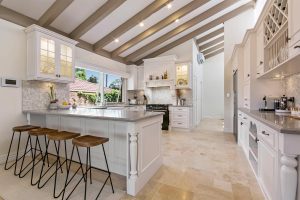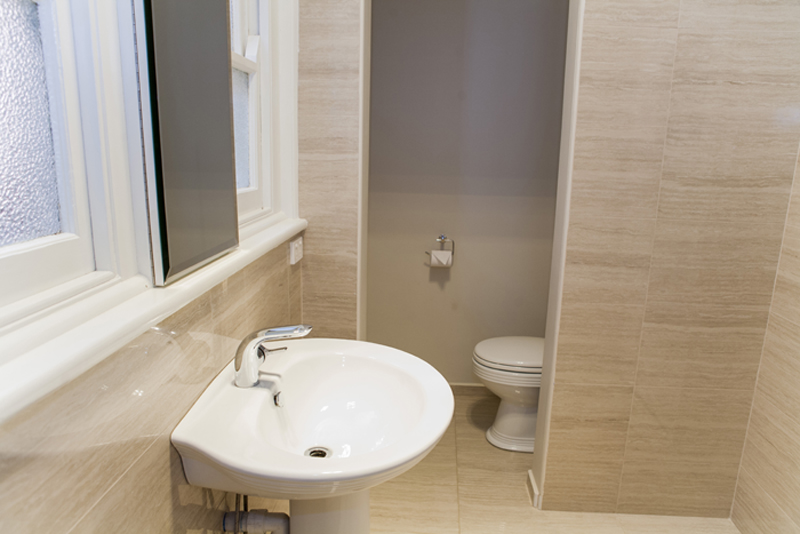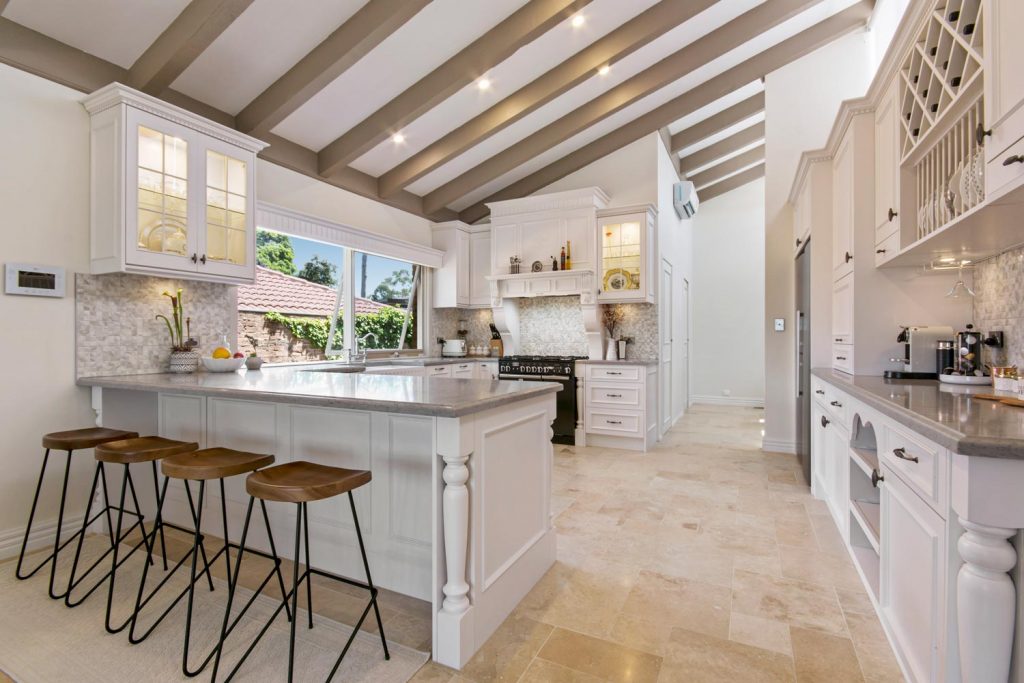
A country style kitchen is defined by warmth, natural materials, and a sense that the space has been thoughtfully built to last — not assembled from a catalogue. Whether you’re drawn to the ornate elegance of a French Provincial kitchen, the breezy coastal charm of a Hamptons design, or the unpretentious character of a classic farmhouse layout, this guide answers the questions Melbourne homeowners are genuinely asking: what finishes stand the test of time, which design details matter most, and how do you bring a country kitchen to life in a contemporary Melbourne home?
What Makes a Kitchen Country Style?
The question sounds straightforward, but there’s more nuance here than most renovation articles acknowledge. A country style kitchen isn’t just about a butler’s sink or exposed timber beams — it’s an entire design philosophy rooted in authenticity, natural materials, and the idea that a kitchen should feel like the heart of the home. The country kitchen prioritises warmth and function in equal measure, and the best examples feel like they’ve evolved organically over time rather than being installed in a single renovation.
The defining elements of a genuine country style kitchen include:
- Shaker-profile cabinetry — the five-piece door with a recessed centre panel is the foundational cabinet style across country, French Provincial, and Hamptons kitchens alike
- Natural stone or solid timber benchtops — honed marble, granite, or hardwood, chosen for character and durability over uniformity
- A butler’s or Belfast sink — deep, ceramic, and unmistakably practical in both function and appearance
- Warm hardware finishes — aged brass, antique bronze, or brushed nickel rather than polished chrome or matte black
- Open shelving or glass-front cabinets — displaying curated crockery, glassware, or pantry staples
- Layered textures — matte tile splashbacks, natural stone, linen or timber details, and handmade ceramic accessories working together
- A considered colour palette — warm white, sage green, duck egg blue, soft navy, or earthy greens rather than stark white or cool grey
What a country kitchen shares with French Provincial and Hamptons design is a deliberate rejection of pure minimalism. These styles embrace character, imperfection, and tactile richness in ways that ultra-contemporary kitchens strip back. The result, when executed well, is a kitchen that feels genuinely welcoming rather than impressive at a distance.
Design principle: In a country kitchen, materials do the decorative work. Invest in quality stone, authentic hardware, and handcrafted tile — these details are visible every day and carry the aesthetic of the entire space.
French Provincial vs Hamptons Kitchen: What Is the Actual Difference?
This is one of the most frequently searched questions among Melbourne homeowners planning a renovation — and understandably so, because from a distance the two styles can appear remarkably similar. Both embrace white and cream cabinetry. Both favour natural stone. Both reject the clinical feel of stark contemporary design. But the design language, level of ornamentation, and overall atmosphere they create are genuinely distinct.
French Provincial Kitchens
A French Provincial kitchen draws from the grand rural homes of southern France — Provence, Burgundy, the Dordogne. The defining characteristics are ornate carved detail on cabinet doors and corbels; curved profiles rather than sharp right-angle edges; a colour palette leaning toward warm antique white, soft greige, or buttermilk; and an overall effect that feels romantic, formal, and quietly luxurious.
Authentic French Provincial kitchens use raised panel or beaded inset cabinetry with ornamental hardware — antique brass bin pulls, ceramic knobs, or hand-forged iron handles. Stone tile floors, marble or limestone benchtops, and a prominent range cooker (often positioned within an arched alcove) complete the look. In Melbourne homes — particularly in heritage renovation projects — the modern French Provincial kitchen adapts these elements with cleaner lines and integrated appliances while retaining the essential European romanticism of the style.
Hamptons Style Kitchens
A Hamptons style kitchen originates from the relaxed coastal estates of Long Island — and that coastal ease is fundamental to its character. Where French Provincial is formal and European, Hamptons is informal and breezy. The palette is lighter and crisper: bright white, soft blue-grey, and navy accents. Cabinetry tends to be shaker-profile or beadboard panelled. Benchtops are typically Carrara marble or a quality white engineered stone. Subway tile splashbacks, statement pendant lights, and open shelving are signature elements.
In Melbourne’s bayside suburbs, the Hamptons kitchen has become a genuinely popular choice because it reflects the local coastal lifestyle without requiring a full architectural commitment to a beachside aesthetic. It works equally well in a period home or a contemporary open-plan build.
| Element | French Provincial | Hamptons |
|---|---|---|
| Cabinet Profile | Raised panel, carved detail, ornate | Shaker, beadboard, clean lines |
| Colour Palette | Antique white, warm greige, buttermilk | Bright white, soft blue-grey, navy accents |
| Hardware | Antique brass, ceramic knobs, hand-forged iron | Brushed nickel, polished nickel, chrome |
| Benchtops | Marble, limestone, natural stone tile | Carrara marble, white engineered stone |
| Splashback | Zellige, travertine, stone slab | White subway tile, Carrara marble slab |
| Overall Mood | Romantic, formal, European | Relaxed, coastal, casual luxury |
| Best Suited To | Period homes, formal dining connections | Coastal suburbs, open-plan living areas |
Many of Melbourne’s most successful renovations deliberately blend elements from both — shaker cabinetry from the Hamptons vocabulary paired with aged brass hardware and carved corbels from the French Provincial tradition. A skilled custom kitchen designer can help identify which combination reads as intentional rather than indecisive.
The Complete Kitchen Style Guide: From Country to Contemporary
Before approaching a custom kitchen designer, it helps to understand the full spectrum of kitchen styles — not to lock yourself into one archetype, but to recognise the design language of each so that hybrid styles (which are far more common in real homes than pure archetypes) feel considered rather than confused.
🌿 Country Kitchen
Warm, rustic, and unpretentious. Defined by natural timber, stone, shaker cabinetry, ceramic sinks, and a colour palette drawn from the landscape — sage, terracotta, warm white. The original lived-in kitchen aesthetic, and the style that underpins French Provincial and Hamptons design.
🥐 French Provincial Kitchen
European elegance with carved detail, ornate hardware, and a romantic palette rooted in the rural homes of southern France. Combines old-world craftsmanship with warmth and welcome — particularly well-suited to Melbourne’s heritage-era homes and period extensions.
🌊 Hamptons Style Kitchen
Coastal casual luxury. White and navy palette, Carrara marble benchtops, shaker cabinetry, and a light-filled atmosphere. Works beautifully in open-plan homes and is particularly popular across Melbourne’s bayside and coastal suburbs.
⬜ Contemporary Kitchen
Flat-front cabinetry, integrated appliances, waterfall benchtops, and a restrained material palette. Prioritises clean lines and functional performance. In 2026, contemporary kitchens are increasingly warmed with natural stone textures and timber veneer accents.
🏛️ Classic Kitchen
Symmetrical layouts, quality joinery, neutral palette, and enduring design principles. Classic kitchens are deliberately trend-resistant — designed to look as relevant in two decades as they do today, making them a strong choice for heritage homes and long-term renovations.
🌲 Scandinavian Kitchen
Functional minimalism with warmth. Light timber, white cabinetry, simple hardware, and an emphasis on natural light and clutter-free surfaces. The hygge sensibility applied to kitchen design — calm, considered, and deeply practical.
🔩 Industrial Kitchen
Exposed materials, raw finishes, and bold contrasts. Concrete benchtops, stainless steel appliances and splashbacks, open shelving on metal brackets, and dark cabinetry. Popular in Melbourne’s inner-city warehouse conversions and loft-style renovations.
✡️ Kosher Kitchen
Designed around Jewish dietary law, a kosher kitchen requires complete separation of meat and dairy — two sets of benchtops, sinks, appliances, and storage zones. Custom joinery design is essential to achieve this while maintaining a cohesive aesthetic. Select Kitchens has experience planning kosher kitchen layouts within any design style.
Melbourne’s most successful kitchen renovations rarely conform to a single style in its pure form. A custom kitchen design process begins with understanding your home’s architecture, your daily routines, and which elements of these styles genuinely resonate — then crafting something that feels uniquely yours rather than template-derived.
Kitchen Design Directions for 2026: What’s Changing and What’s Lasting
The kitchen design conversation in Melbourne in 2026 has shifted meaningfully from the cool, minimalist aesthetic that defined the previous decade. The prevailing direction is toward warmth, texture, and personalisation — a response to years of sterile, all-white flat-front kitchens that photographed well but often felt cold to live in.
Warm Neutrals Replacing Cool Grey
The cool grey kitchen that defined Australian renovation culture through much of the 2010s is receding. Warm whites, greige (grey-beige blends), soft linen, and putty tones are increasingly favoured. These shades work naturally with the stone and timber materials also trending in 2026, and they read differently from the stark white kitchens of a decade prior — richer, more layered, and more comfortable over the long term.
Fluted and Reeded Cabinetry Details
Vertical fluting applied to island panels, kickboards, and feature cabinet doors has become one of the signature decorative details of the mid-2020s kitchen. It adds sculptural depth without the ornate complexity of carved French Provincial profiles, making it a versatile detail across country, contemporary, and Hamptons design vocabularies.
Natural Stone — Honed Rather Than Polished
Honed marble, bookmatched stone islands, and sintered stone surfaces (such as Dekton and Neolith) are being specified with increasing frequency. For country and French Provincial kitchens, the move toward honed finishes is particularly well-matched — polished marble reads as formal; honed stone reads as lived-in and authentic.
Integrated and Panel-Ready Appliances
Fully integrated refrigerators, dishwashers, and ovens concealed behind cabinetry panels are a standard expectation in the premium Melbourne kitchen renovation market — including country style kitchens, where visible appliance branding can disrupt an otherwise handcrafted aesthetic.
Colour Statement Cabinetry
Rather than an all-neutral kitchen, Melbourne homeowners in 2026 are increasingly choosing a saturated colour for the island or lower cabinetry — forest green, navy, charcoal, or deep terracotta — while keeping upper cabinets light. This two-tone approach is particularly well-suited to country kitchen design, where colour has always been a defining characteristic.
Unlacquered Brass and Aged Bronze Hardware
Brushed gold and matte black hardware are giving way to unlacquered brass and aged bronze — finishes that develop a natural patina over time and align with the authenticity-first ethos of country and French Provincial design. These finishes are notably more demanding in terms of care and cleaning, which is worth factoring in during the selection process.
What colour kitchen will not date? Warm white — not stark or blue-toned white, but a soft, slightly creamy tone — has the strongest track record of longevity across every kitchen style. It works across country, French Provincial, Hamptons, and classic kitchens and adapts to changing hardware and splashback trends without requiring cabinetry replacement. The 60/30/10 rule — 60% dominant neutral, 30% secondary material or colour, 10% bold accent — is a practical framework for achieving lasting visual balance.
Choosing Every Element of Your Country Style Kitchen
A well-designed country kitchen is the sum of its parts — each element chosen deliberately and in relationship to everything around it. Here is how to approach each major decision.
Custom Cabinetry: The Foundation of Every Kitchen Style
Cabinetry is the single most consequential decision in any kitchen renovation. It defines the style, sets the spatial scale, and determines how functional the kitchen will be for daily use. In a country kitchen, the cabinet maker’s craft is front and centre — the quality of the joinery, the precision of the fit, and the authenticity of the profile are immediately visible.
For country, French Provincial, and Hamptons kitchens, the shaker door profile is the most versatile starting point — it works across a wide range of budgets and reads as authentically traditional or quietly contemporary depending on the hardware and finish it’s paired with. More ornate French Provincial profiles use raised panel doors with routed or carved detail. Inset cabinetry — where the door sits flush within the cabinet frame rather than overlapping it — adds a higher level of craftsmanship and is more demanding technically, which is reflected in the time required to produce and install it.
In period Melbourne homes where walls and floors are rarely perfectly square, custom-built joinery rather than modular flatpack offers a meaningful difference in fit, finish, and longevity. Select Kitchens’ kitchen design and cabinetry service addresses exactly this — bespoke joinery that works with the specific conditions of your home.
Benchtops: Stone, Timber, and Engineered Surfaces
Benchtop selection for a country kitchen involves different priorities than a contemporary kitchen. Where a modern kitchen might prioritise seamless engineered stone in a single solid colour, a country kitchen typically embraces natural variation — the movement of marble veining, the knots in hardwood timber, the tonal shifts in natural granite.
- Honed marble (Carrara, Calacatta, Statuario) — the prestige country kitchen benchtop. Naturally developing character over time suits the country kitchen philosophy, though marble requires sealing and mindful daily use to manage staining.
- Granite — similar visual character to marble with significantly better stain and scratch resistance. A practical choice for high-use kitchens.
- Engineered stone (Caesarstone, Silestone, Essastone) — the widest range of tones, reliable performance, and consistent quality. Look for options in earthy, veined, or textured finishes rather than flat, uniform colours that read as purely contemporary.
- Sintered stone (Dekton, Neolith) — extremely durable and heat-resistant surfaces available in stone-look and concrete-look finishes. Well-suited to country kitchens that see heavy cooking use.
- Solid hardwood — often used for island tops or secondary prep surfaces. Adds genuine warmth and authenticity, though it requires periodic oiling and is susceptible to water damage if not properly maintained.
Splashbacks: Tile, Stone, and Handcrafted Materials
The splashback contributes disproportionately to the overall character of a kitchen given its relatively small surface area. For country kitchens, the key is texture and craft over sleekness.
- Handmade ceramic subway tiles — with slightly uneven surfaces and tonal variation — suit a country kitchen far better than machine-pressed equivalents. The imperfection is the point.
- Zellige tiles — handmade Moroccan clay tiles where each piece is individually cut and glazed, producing natural variation in colour, surface, and form.
- Stone slab splashback — a full-height honed marble or quartzite slab behind the range cooker creates a dramatic, cohesive statement. Works particularly well in French Provincial kitchens.
- Brick or stone-look porcelain — offers similar visual character to natural materials with superior durability and easier maintenance behind the cooktop.
Taps, Handles, and Hardware: The Details That Define the Style
In a country kitchen, hardware selection carries unusual weight — these are the elements you interact with dozens of times every day, and getting this layer right or wrong is immediately apparent.
Tapware: Bridge-style mixer taps — with separate hot and cold levers on a single spout — are the definitive country kitchen tap form. Available in aged brass, brushed bronze, and gunmetal, they reference traditional kitchen design authentically. Avoid single-lever contemporary mixers in a country kitchen; the design language conflicts with the overall aesthetic.
Cabinet handles: Cup handles (bin pulls) in aged brass are the archetypal country kitchen hardware choice. Ceramic knobs — particularly in white, cream, or hand-painted patterns — suit French Provincial kitchens naturally. For a Hamptons interpretation, brushed nickel D-bar handles maintain the shaker cabinet’s clean lines while adding warmth. Consistency across the space matters — mixing multiple hardware styles tends to read as indecisive rather than eclectic.
Kitchen Appliances: Performance Without Disrupting the Aesthetic
The country kitchen has a complicated relationship with appliances. The most thoughtfully styled country kitchens make deliberate decisions about how appliances are integrated or concealed.
A statement freestanding range cooker is the single appliance that most powerfully anchors the country kitchen aesthetic. Brands including ILVE and Smeg offer range cookers in heritage colours — cream, dark green, gloss navy — that function as design focal points in their own right. Refrigerators are ideally integrated behind cabinetry panels or chosen in a design-conscious style. Dishwashers should always be panel-integrated in a premium country kitchen. For rangehoods, copper canopy hoods, hand-beaten steel, or a simple timber-clad box all work authentically within the style.
Small Country Kitchen Ideas: Making the Style Work in Compact Melbourne Homes
One of the most common questions from Melbourne homeowners is whether a country kitchen style is achievable in a smaller footprint — a terrace house in Fitzroy, a period cottage in Hawthorn, or a compact home with a galley layout. The answer is yes, with some thoughtful adjustments.
- Prioritise vertical storage. Cabinetry running floor to ceiling maximises storage without expanding the floor footprint. Glass-front upper cabinets create the visual depth of open shelving without the dust accumulation.
- Choose a light palette for the cabinetry. The warmth of a country kitchen can be achieved through materials and hardware without dark, heavy cabinetry tones that can overwhelm a compact space. Warm white or soft cream with aged brass hardware delivers the aesthetic while keeping the room feeling open.
- Let the splashback do the decorative work. In a galley or small L-shaped kitchen, a statement splashback — handmade zellige tiles, a stone slab, or patterned cement tiles — delivers maximum visual impact without consuming additional floor space.
- Simplify the hardware palette. A single consistent hardware finish throughout creates visual cohesion that makes a small kitchen feel considered rather than cluttered.
- Integrate appliances wherever possible. Panel-integrated dishwashers, concealed refrigerators within a full-height pantry, and under-bench appliance storage all contribute to a calm, uncluttered result — especially important in compact kitchens where benchtop space is at a premium.
Open-plan kitchen design, where the kitchen flows into a living or dining zone, also suits the country style particularly well — removing walls creates the generous, sociable atmosphere that the country kitchen has always been associated with, regardless of the kitchen’s actual footprint.
Bathroom Renovation in Melbourne: Design Directions for 2026
The design conversation in Melbourne’s bathroom renovation market in 2026 has converged with the kitchen renovation conversation in one meaningful respect: the rejection of cool, clinical minimalism in favour of warmth, texture, and natural materials.
The most significant bathroom design directions for 2026 include:
- Warm stone and plaster-look tiles — travertine, limestone-look, and textured plaster-effect surfaces replacing glossy white ceramic as the default wall and floor tile choice
- Sage, forest green, and earthy terracotta as cabinet or tile colours — replacing the cool grey palette that dominated Melbourne bathroom renovations through much of the 2010s and early 2020s
- Timber-look vanities and open shelf units — adding warmth and a material connection to the natural world
- Fluted glass shower screens and fluted vanity fronts — a consistent material trend across both kitchen and bathroom design in 2026
- Freestanding baths in classic oval or slipper shapes — in matte white, warm stone, or stone resin composites
- Brushed brass and aged bronze tapware — increasingly preferred over matte black as the statement metallic finish in premium bathroom renovations
- Considered shower design — niche shelving in contrasting stone, large-format stone floor tiles, rainfall heads, and integrated bench seating for a spa-like result
The country and French Provincial design vocabulary translates naturally into bathroom renovation — particularly through vanity style choices, tapware finishes, and tile selection. A bathroom designer in Melbourne who understands these intersecting design directions can help you create a bathroom that connects cohesively to your kitchen renovation rather than feeling like a separate, disconnected decision. Select Kitchens also services the Dromana area and the wider Mornington Peninsula for bathroom renovation projects.
Colour note: In bathrooms, warm greige, sage green, and earthy neutrals are replacing cool grey. These tones pair naturally with brushed brass tapware, timber-look joinery, and warm stone tile — and they photograph exceptionally well in the natural light that Melbourne bathrooms typically receive during the day.
Frequently Asked Questions: Country Style Kitchens & Melbourne Renovations
Is a country style kitchen too traditional for a contemporary Melbourne home?
Not at all — and this is one of the most persistent misconceptions in kitchen design. Modern country kitchens are routinely delivered in open-plan layouts, new builds, and contemporary extensions. The key is restraint and curation: selecting the defining elements of the country style — shaker cabinetry, natural stone, warm hardware — and pairing them with a contemporary layout, integrated appliances, and a refined colour palette. The result is a kitchen that feels warm and characterful without reading as anachronistic.
What is the 60/30/10 rule and how does it apply to kitchen design?
The 60/30/10 rule is a colour proportion principle drawn from interior design practice: 60% of the visual space in a dominant tone (typically cabinetry and walls), 30% in a secondary material or colour (benchtops and island), and 10% in a bold accent (hardware, tapware, pendants, or splashback). In a country kitchen, this might mean warm white cabinetry (60%), a veined honed marble benchtop (30%), and aged brass hardware and handmade tile (10%). The proportion creates balance and prevents the space from feeling either flat or visually chaotic.
What colours make a kitchen look expensive?
Deep, saturated tones — navy, forest green, charcoal, or deep plum — used for island or lower cabinetry create a high-end, designer feel when paired with natural stone benchtops and quality hardware. Warm white cabinetry with aged brass or unlacquered brass hardware reads as luxurious because it references classic European kitchen traditions. Tonal layering — where multiple shades of the same colour family are used across cabinetry, benchtop, and wall — also elevates the perceived quality of a kitchen significantly without requiring a larger investment in materials.
What colour is replacing grey in kitchen and bathroom design?
Warm whites, greige (grey-beige blends), sage green, linen, and earthy putty tones are increasingly replacing the cool grey palette across Melbourne renovations. These colours share grey’s versatility but introduce warmth and a connection to natural materials that the cooler grey palette lacked. In bathrooms, warm stone tones and terracotta are also gaining significant momentum. The shift is visible in both high-end custom projects and mid-range renovations across Melbourne’s inner, middle, and coastal suburbs.
What are the most common kitchen renovation mistakes to avoid?
The most frequently cited mistakes include: choosing appliances after the cabinetry design is locked in rather than specifying them early; selecting tapware and hardware purely on aesthetics without considering finish durability over time; overlooking the need for adequate task lighting under wall cabinets; underestimating how important storage planning is relative to aesthetic choices; and choosing trend-driven cabinetry colours without considering long-term livability. Working with an experienced custom kitchen designer from the outset — rather than coordinating trades independently — consistently produces better outcomes across all of these areas.
French Provincial or Hamptons — which is right for my Melbourne home?
The most useful starting question is the character of your home’s architecture and how you use the space. French Provincial design is most at home in formal, heritage, or period-inspired settings — Victorian and Edwardian homes, or new builds with traditional architectural detail. Hamptons works across home styles but particularly suits open-plan layouts, coastal locations, and homes with generous natural light. If you’re drawn to both, a skilled custom designer can blend elements — shaker cabinetry from the Hamptons vocabulary with aged brass hardware and carved corbels from the French Provincial tradition — into a cohesive outcome that draws on the strengths of each style.
What should I look for when choosing a kitchen designer in Melbourne?
Look for a designer with a portfolio demonstrating range across multiple kitchen styles — not just one look repeated at different scales. Verify that they offer custom joinery rather than modular flatpack systems, use quality locally sourced materials, and run a genuinely collaborative design process. Established relationships with trades — plumbers, electricians, tilers — allow them to manage the renovation holistically rather than leaving you to coordinate between multiple parties. Showrooms where you can see and touch actual joinery profiles, hardware samples, and benchtop materials are a significant advantage over screen-rendered presentations alone.
Which colour complements grey cabinetry in a kitchen?
Warm whites, soft creams, and natural timber tones work well alongside grey cabinetry by introducing warmth that prevents the overall palette from reading as cold. In country kitchens, sage green and warm greige pair naturally with light grey tones. Aged brass or brushed gold hardware is particularly effective at warming a grey kitchen — the warm metallic registers strongly against the cool grey base. Avoid pairing cool grey cabinetry with cool blue-white walls or silver hardware, as the combination can amplify the coldness of the space rather than balancing it.
Kitchen Storage and Functionality: Planning Before You Design
The most common regret cited by homeowners after a kitchen renovation is insufficient storage — not the tile choice, not the cabinet colour, not the benchtop material. Storage planning should happen before the design is finalised, not as an afterthought.
In a country style kitchen, storage takes on a particular character because the style lends itself to visible, curated organisation — open shelves displaying crockery, glass-front cabinets for pantry staples, a dedicated larder or walk-in pantry where possible. These elements are part of the aesthetic, not just functional necessities. A well-designed country kitchen makes the storage itself beautiful.
- Pantry planning — a dedicated pull-out or walk-in pantry dramatically reduces benchtop clutter. This is the single most valued storage upgrade reported by Melbourne homeowners post-renovation.
- Deep drawer banks — replacing lower cabinet shelving with deep drawers makes pots, pans, and everyday crockery significantly more accessible. Soft-close mechanisms are standard in quality joinery.
- Integrated bin systems — concealed within a pull-out cabinet adjacent to the sink, integrated bins maintain the country kitchen’s clean, uncluttered aesthetic while satisfying practical waste management needs.
- Appliance cupboards — a dedicated cabinet with a power point inside, a lift mechanism for the stand mixer, and a roll-up door or full-height door hides bench appliances completely when not in use.
- Open shelving placement — positioned above the benchtop or flanking the range hood, open shelving in a country kitchen is most successful when it’s curated and consistently maintained. If that’s not realistic for your household, glass-front upper cabinets give the same visual effect with protection from dust.
Design Your Country Style Kitchen with Select Kitchens Melbourne
Select Kitchens designs and delivers custom kitchens and bathroom renovations for Melbourne homeowners from two showrooms — Braeside and Ashwood — giving clients across the city’s south-eastern suburbs and bayside areas easy access to a full working display of materials, cabinetry profiles, hardware, and benchtop options.
The Select Kitchens design process begins with understanding how you actually use your kitchen — not presenting a template and asking which colour you’d prefer. Every project is approached from the specific conditions of your home: its architecture, its natural light, its connection to adjacent living spaces, and the design vocabulary that genuinely reflects your taste. The team works across the full range of kitchen styles — from the warmth of a country style kitchen to the ornate elegance of a French Provincial design, the coastal ease of a Hamptons kitchen, and the architectural precision of a contemporary flat-front layout.
Bathroom renovation is also a core part of the Select Kitchens offer — with the same emphasis on custom joinery, quality material selection, and a design process that treats the bathroom as a considered space rather than a functional afterthought.